Explore domains
What wellbeing domains should you include in your wellbeing framework?
This page helps you explore the different aspects of wellbeing (domains) often included in wellbeing frameworks. Most wellbeing frameworks are structured into ‘domains’ and ‘indicators’. Domains are the ‘big themes’ that matter for wellbeing in your community – like having a healthy population, good standard of living, or great social connection. It’s common to measure several indicators for each domain: for example, the health of the people living in a community is best understood by examining multiple aspects of their health, each of which is an indicator.
Scroll down for examples of common domains included in wellbeing frameworks. Most wellbeing frameworks include at least some of these domains. This is because many of the factors that influence wellbeing are common across most communities (and even nations). However, there can also be differences between communities. For example, a community with a strong connection to a specific place or particular cultural activities might choose to include a specific domain in their wellbeing framework that focuses on how well these are being supported and maintained.
The domains you include in a wellbeing framework should be based both on the large evidence base developed worldwide about what matters for human wellbeing, and on how local people think and talk about their wellbeing in your community. This means you might include some of the domains below in your framework – but also others that aren’t listed, which are uniquely important to your community. To see the many different ways domains can be included i a framework, look at our examples of wellbeing frameworks page, and at the three frameworks developed by Victorian communities as part of the project that developed this Hub, each of which included a different set of wellbeing domains.

Amenity & liveability
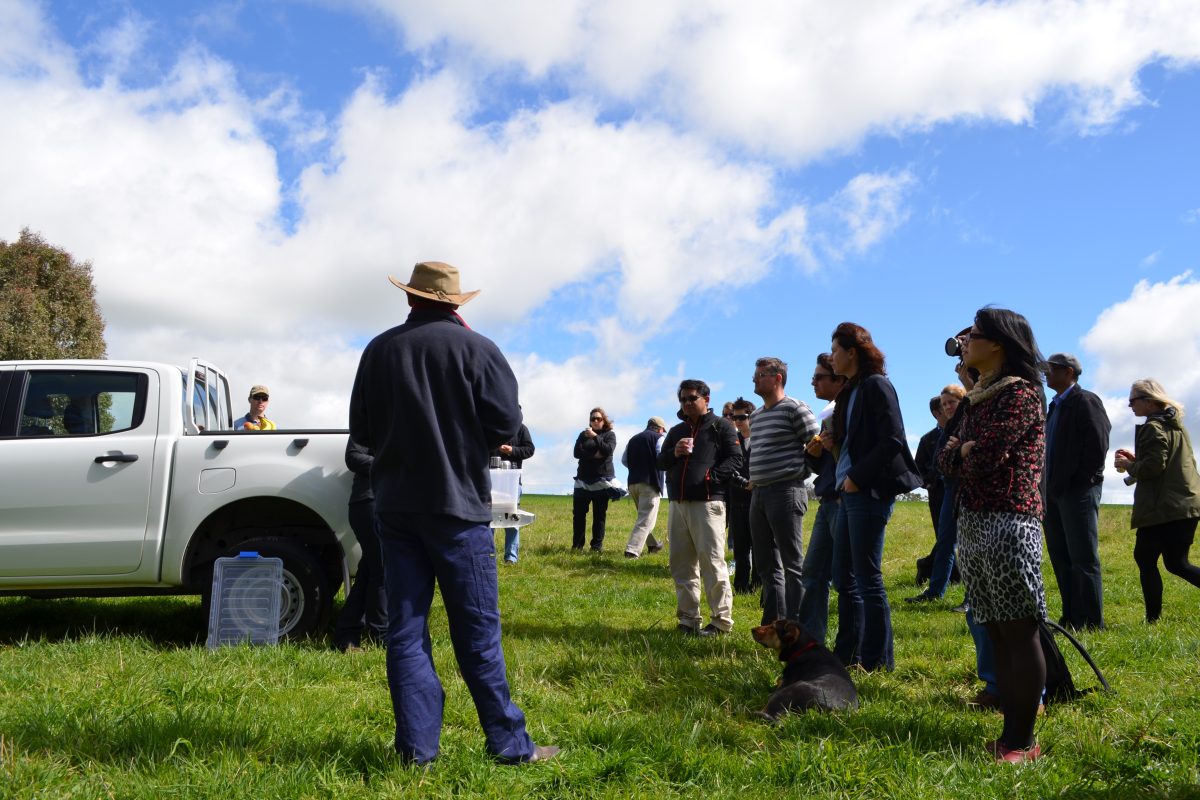
Belonging and social cohesion

Civic engagement and local action

Community wellbeing

Confidence in the future
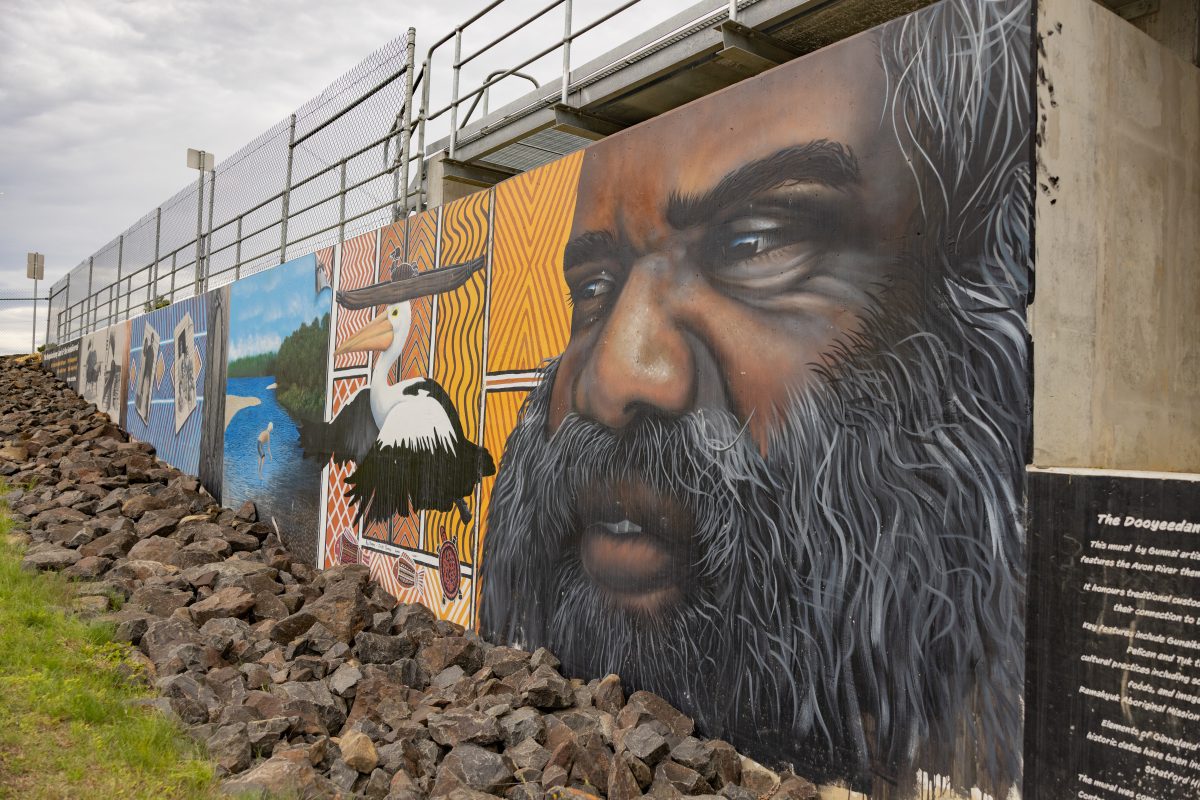
Culture and identity
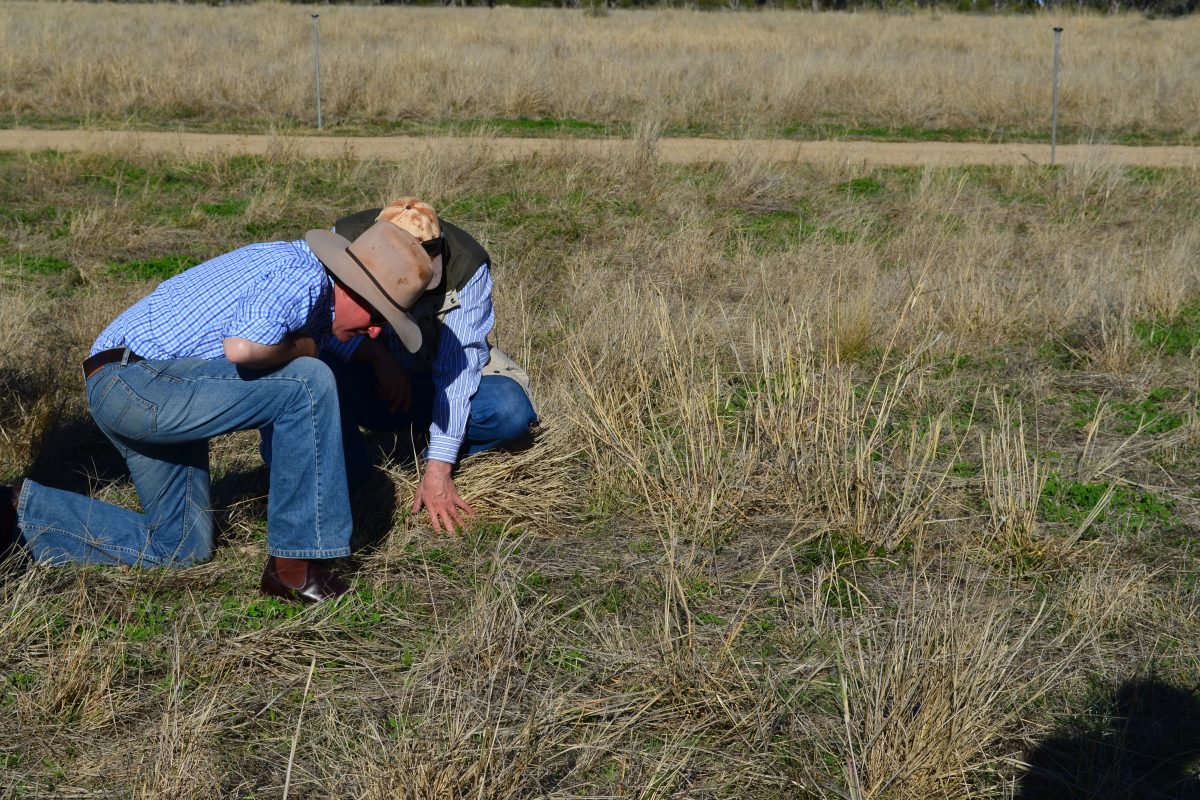
Education, knowledge and skills
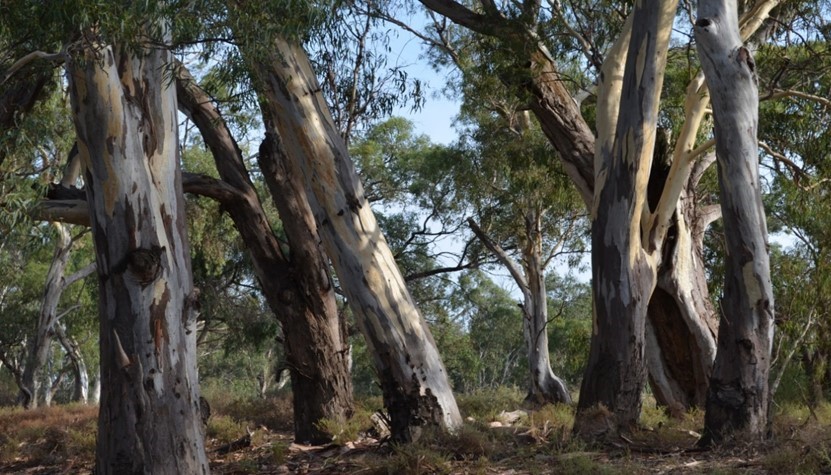
Environmental health
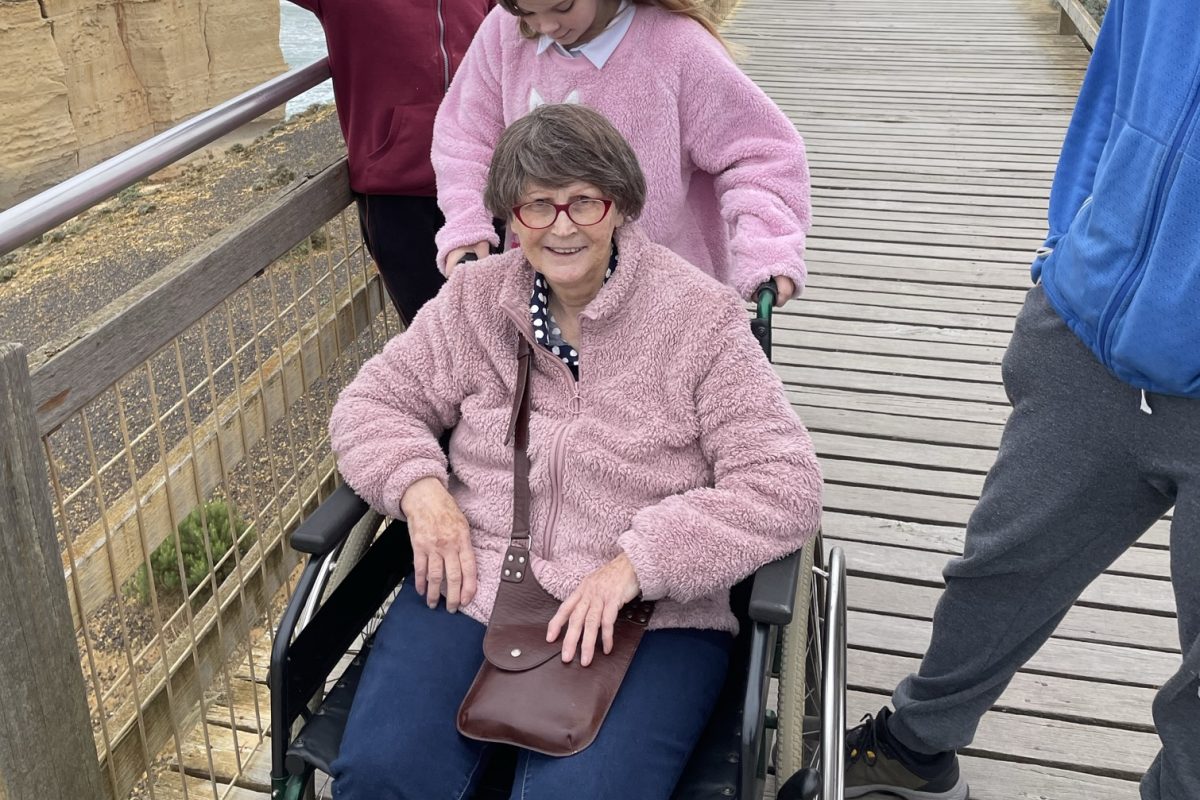
Equity and inclusion

Health and healthy lifestyle
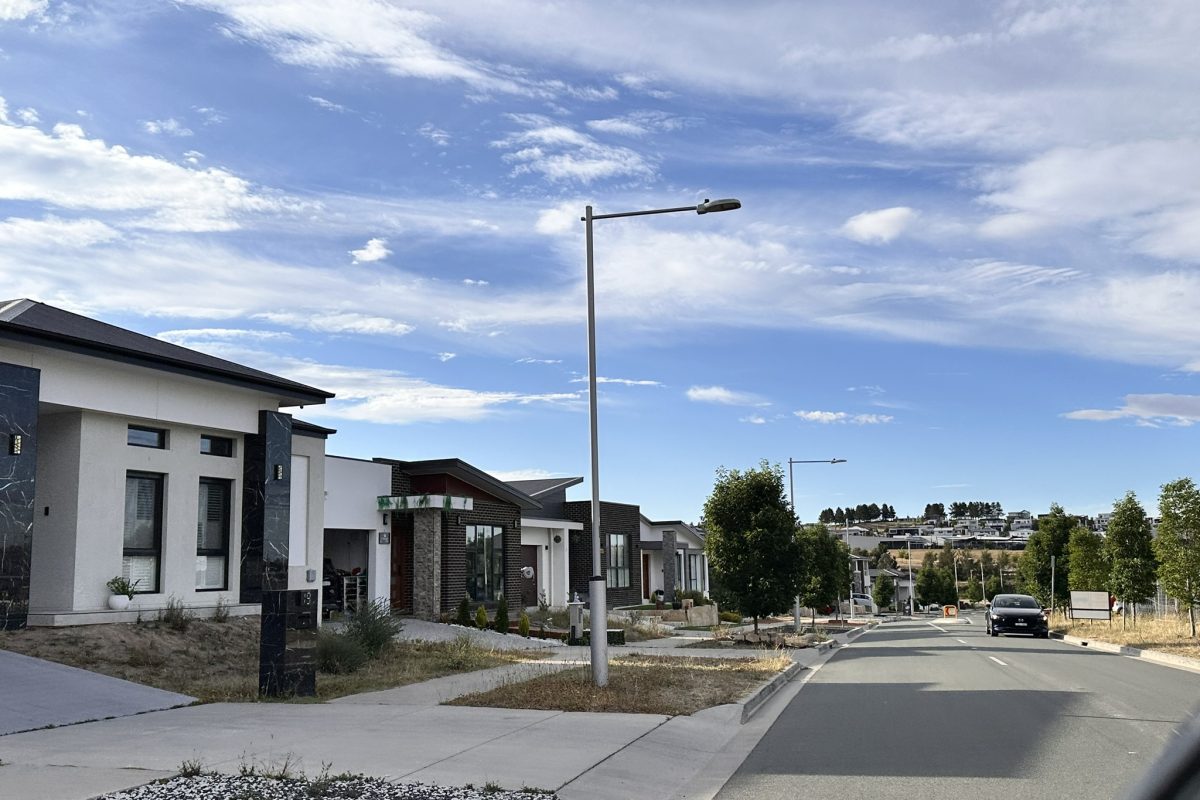
Housing and home
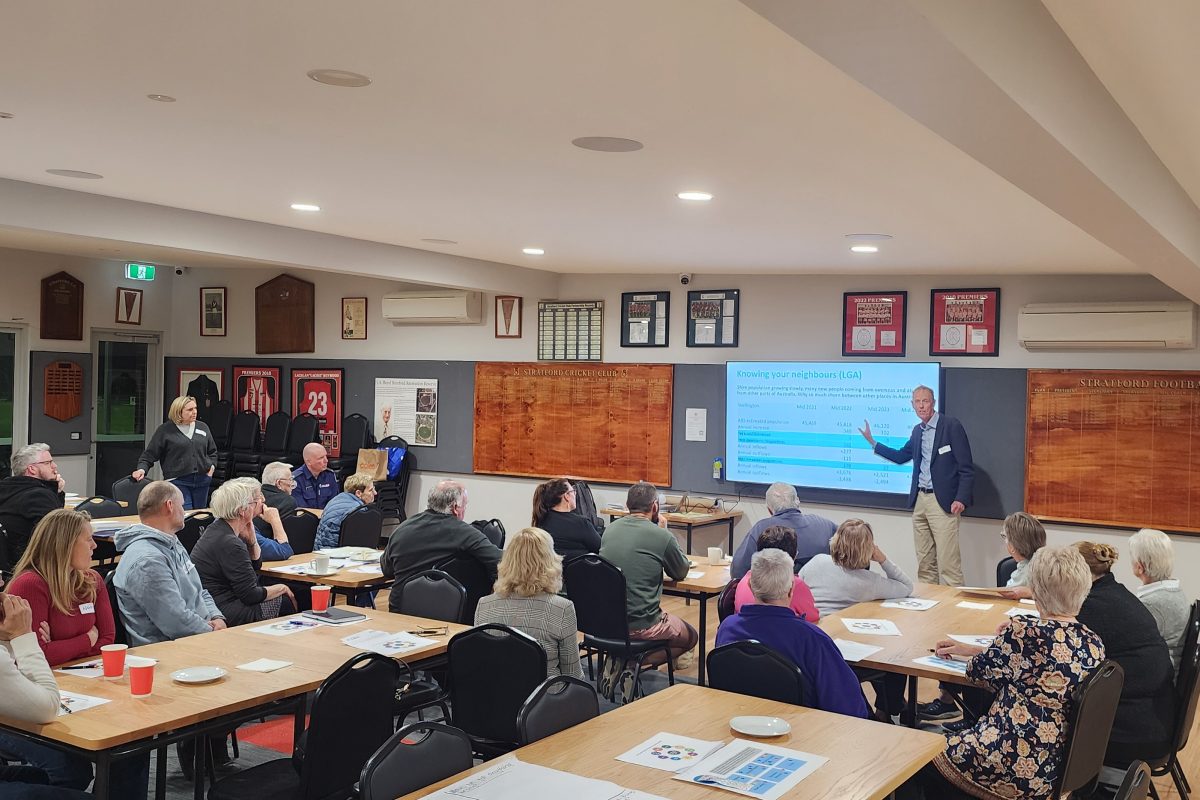
Institutions and governance

Personal wellbeing

Resilience and adaptation to challenges

Safety and security

Services and infrastructure

Social connection
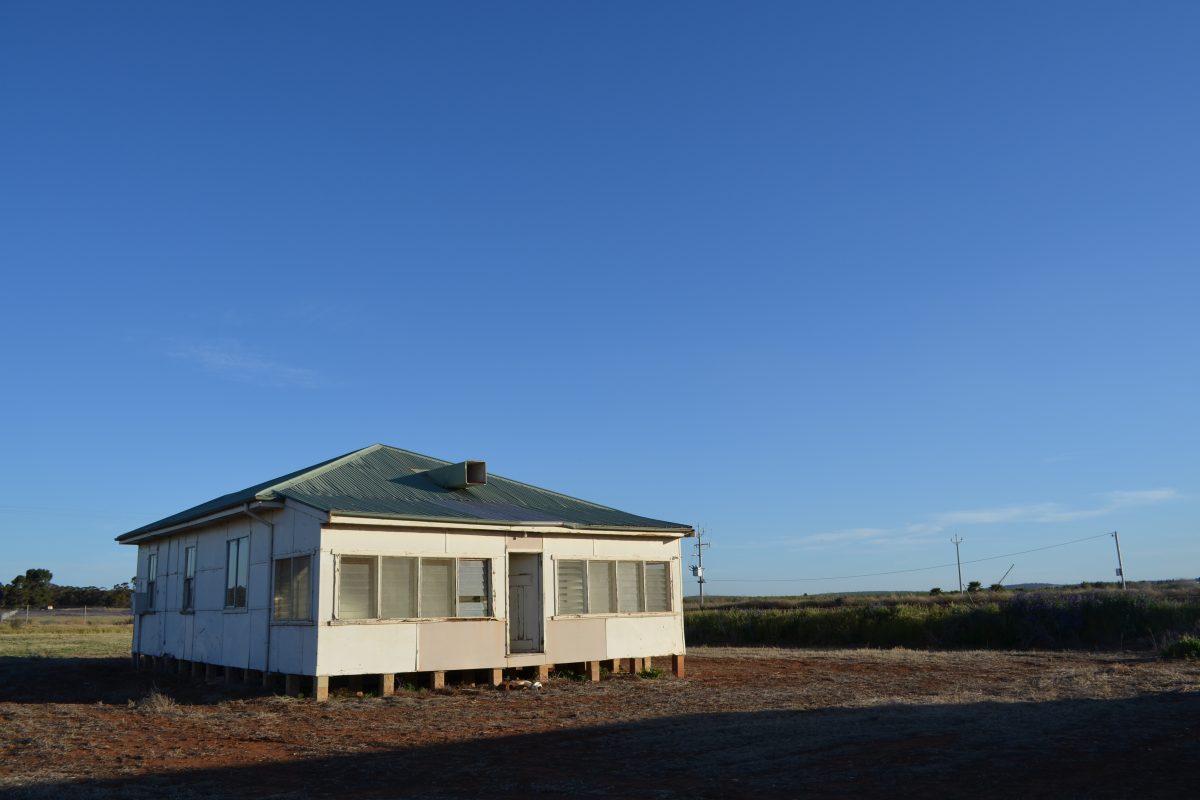
Standard of living

Time use